RISE PFI joins the Management Committee of the new ENFiber COST Action
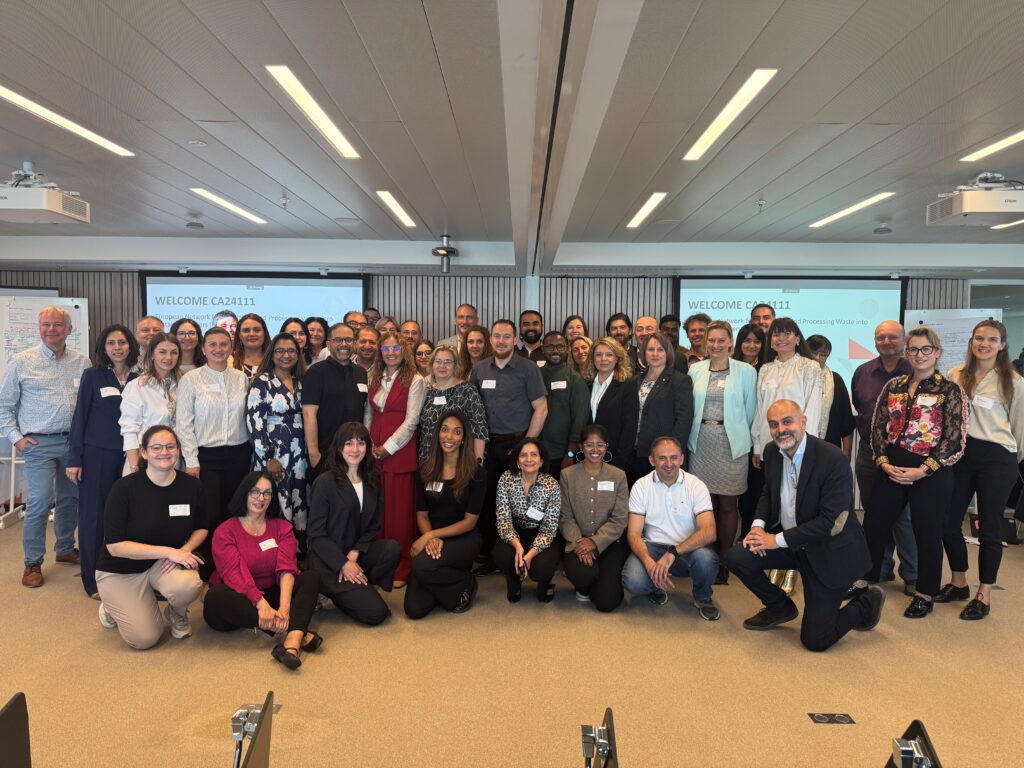
Launched on 23 September in Brussels, ENFiber aims to transform food processing waste into sustainable fibres, with our colleague Dr. Gary Chinga Carrasco representing RISE PFI in the Management Committee. Embracing the circular bioeconomy together means joining forces, sharing knowledge, and creating innovative solutions that maximise the value of resources. This is the objective that guides […]
Advancing sustainability with smart packaging sensors

In 2022, each EU citizen generated 187 kg of packaging waste, with a significant portion originating from food packaging. One of the main challenges is to develop cost-effective, eco-friendly and sustainable packaging to secure food quality and extend the lifetime of packaged food products, such as meat and chicken. For this purpose, low-cost smart sensors […]
REDYSIGN reaches a milestone in the project: boosting classification capabilities with identification markers
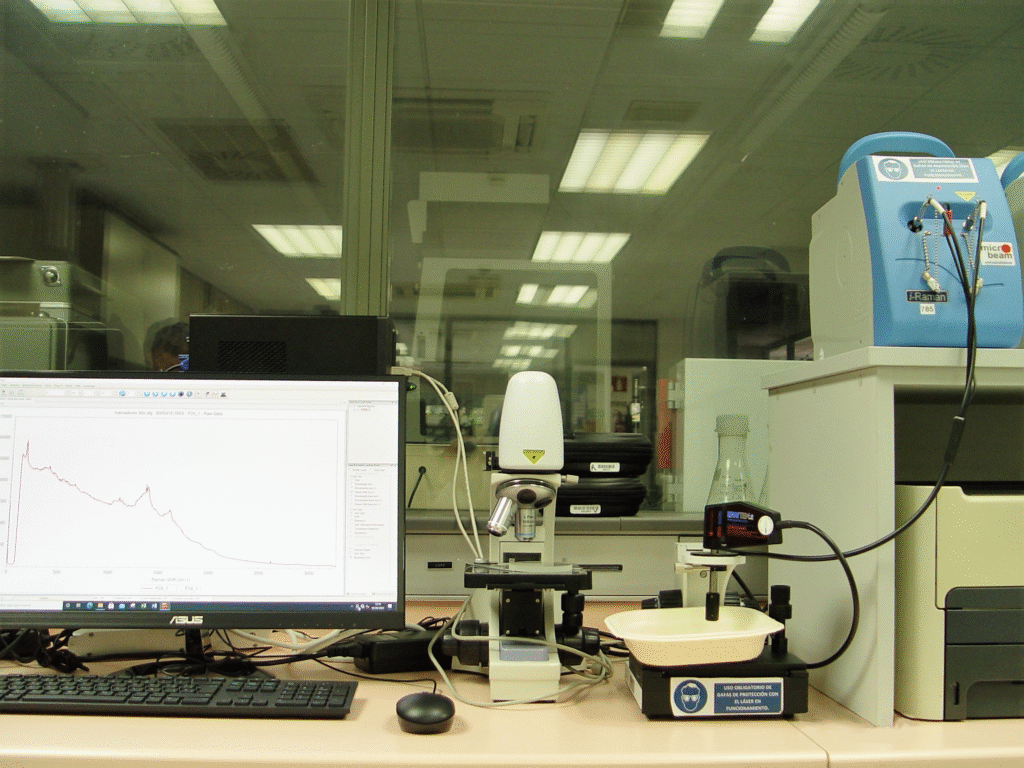
The development of new identification markers integrated into the different components of fiber-based packaging (FBP) will enable efficient identification and sorting, paving the way for a smart packaging solution. The REDYSIGN project has successfully reached the second key milestone of the initiative, focusing on the integration of identification markers and digital sorting technologies. Led by […]
REDYSIGN and R3PACK: Collaborative EU Projects transforming packaging with cellulose fibre innovation
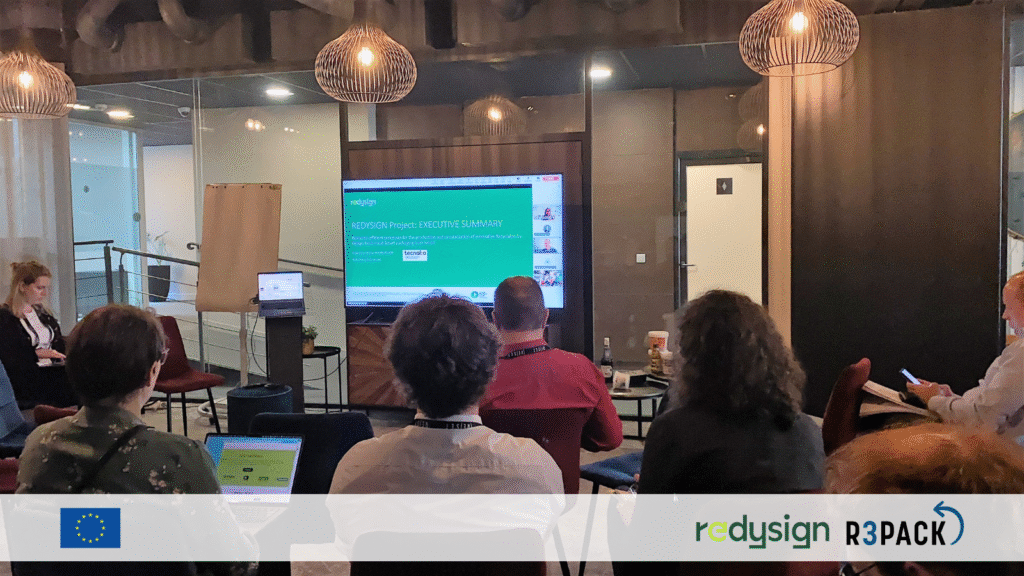
The development of sustainable, fibre-based packaging is a critical challenge in the drive to meet the European Green Deal’s objectives, with the ultimate goal of achieving climate neutrality by 2050. Horizon Europe, the EU’s flagship funding program for research and innovation, plays a pivotal role in facilitating the transition to a circular bioeconomy. Under its […]
Discover REDYSIGN: The journey behind biobased packaging

A small, everyday action, such as purchasing and disposing of food packaging, can have far-reaching environmental consequences. This idea is illustrated through the story of María, the main character in REDYSIGN’s first animated video. What the video shows: A new way to tell the REDYSIGN mission The REDYSIGN video presents the challenges associated with conventional […]
Dry Forming: An eco-friendly approach to fibre products

The interest in lignocellulosic fibres is steadily increasing, as they represent a widely available resource and a main component of renewable, biodegradable and recyclable thermoformed products. Lignocellulosic fibres are most promising to replace single-use plastic products, as part of a developing bio- and circular economy. Various types of lignocellulosic fibres have been utilized from e.g. […]
REDYSIGN consortium makes remarkable progress in developing cutting-edge packaging
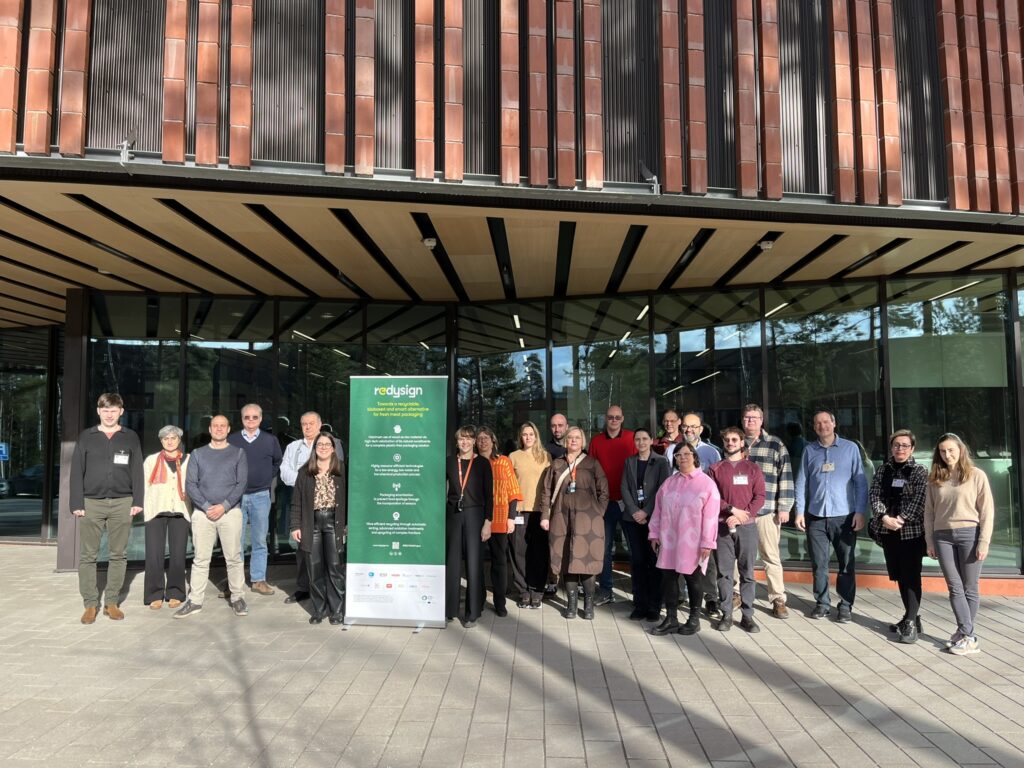
The project has achieved important advances in the development of recyclable-by-design trays and absorbent pads, as well as in the design of anti-spoilage sensors and demonstration of their effectiveness. The city of Espoo (Finland) was the meeting point for the REDYSIGN Consortium on March 18th and 19th, hosted by VTT and Valmet partners. This gathering […]
Redesigning Packaging, Rethinking Impact: Integrating Safe and Sustainable by Design

The food industry faces the challenge of developing eco-friendly, cost-effective, and sustainable packaging. Petroleum-based materials used in traditional packaging cause environmental pollution, resource depletion, and generation of single-use waste. The industry is shifting towards biodegradable packaging made from renewable biomass resources and non-harmful chemicals to reduce environmental impact and health risks. The urgency in the […]
Cellulose fibres, microfibrillated cellulose (MFC) and fibre-based packaging

Cellulose is one of the main components in wood and non-wood materials, such as straws and cotton, and cellulose fibres extracted from these raw materials are commonly used in production of fibre-based packaging. Microfibrillated cellulose (MFC) consists of cellulose fibrils that have been separated from cellulose pulp (fibres), usually by mechanical treatments. The average width […]
Cellulose functionalization: a little push to widen the potential of natural compounds

The development of the bioeconomy requires maximizing the use of available natural resources, among which cellulose (mostly in the form of cellulose fibers) stand out as the most abundant bio-based material on Earth. Those fibers, derived from plant cell walls, offer a sustainable alternative to non-sustainable synthetic materials, aligning perfectly with the principles of the […]