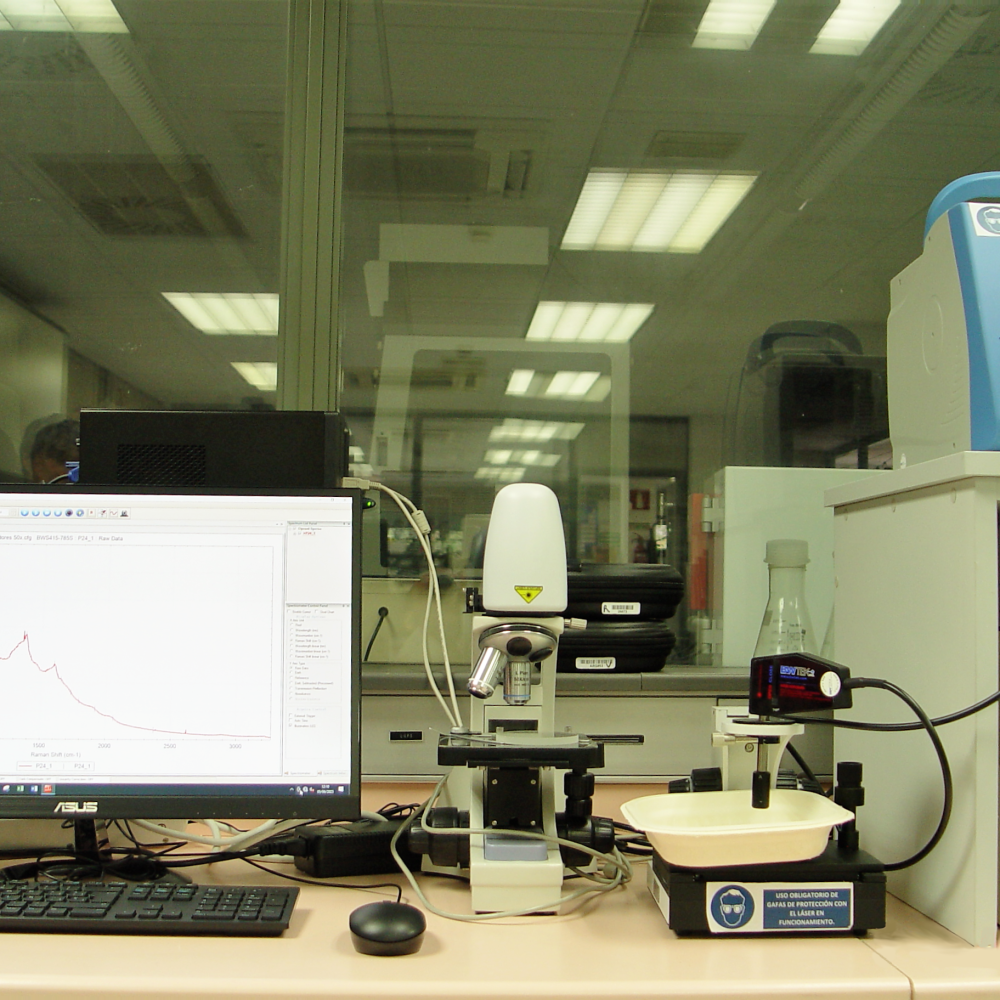
The development of new identification markers integrated into the different components of fiber-based packaging (FBP) will enable efficient identification and sorting, paving the way for a smart packaging solution.
The REDYSIGN project has successfully reached the second key milestone of the initiative, focusing on the integration of identification markers and digital sorting technologies. Led by FNMT, TECNALIA and PACKBENEFIT, this achievement aims to improve the traceability of smart fresh meat packaging by optimising the detection and quantification of both built-in traceability markers and contaminants, such as blood, oils and fats, in contaminated packaging waste.
Smart meat packaging: Identification markers and advanced detection Technology
One of REDYSIGN’s core technologies is to incorporate specific identification markers into each component of the fresh meat packaging, including the tray, absorbent pad and lidding film. This strategy aims not only to facilitate an accurate sorting of biocontaminated products, but also to optimize specific treatments designed to sanitize those materials.
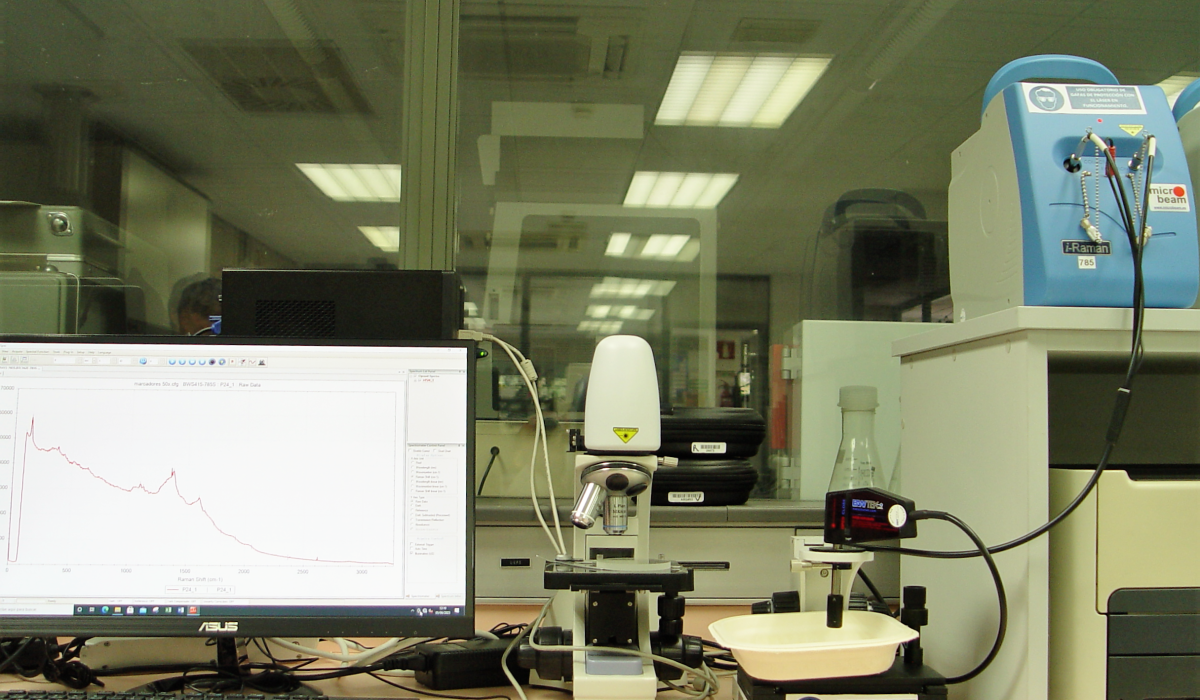
Throughout the first 18 months of the project, the involved partners have concentrated on the creation of detection systems for both traceability markers and pollutants. The research follows two main lines: the development, integration and detection of specific markers by advanced sensors and the identification of organic contaminants in absorbent pads. RAMAN, NIR and RGB imaging technologies have been employed to achieve these goals.
A significant advance was the development of a RAMAN marker created by the Fábrica Nacional de la Moneda y Timbre-Real Casa de la Moneda (FNMT) and its successful incorporation into trays thermoformed by PACKBENEFIT. Tests carried out by TECNALIA under both static and dynamic conditions demonstrated the detection efficiency of the marker in industrial environments, validating its potential for effective sorting and recycling of FBP.
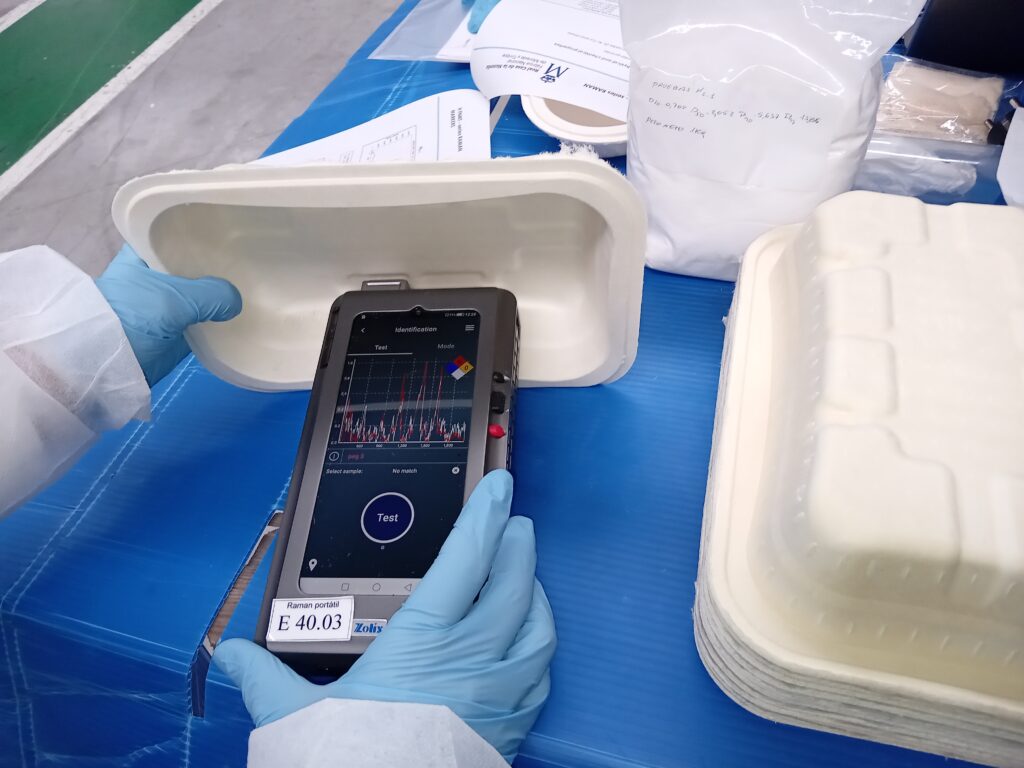
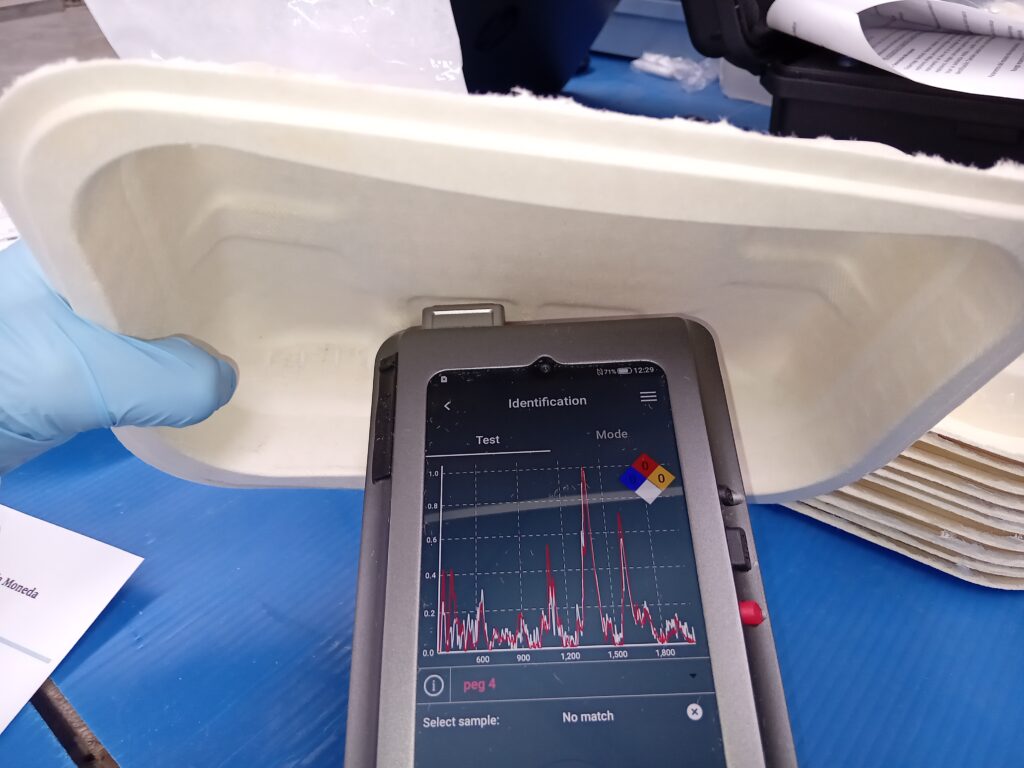
RAMAN spectroscopy (through an inelastic scattering of light from a laser on the sample, revealing information about the vibrational and rotational modes of the molecules, allowing the substance to be identified and characterized) has been particularly effective, providing chemical and structural information about the packaging materials. NIR (Point Spectral Near-Infrared) technology has been used to evaluate organic components such as fats and proteins, and sample moisture. In addition, matrix point measurements have been overlapped on RGB image captures (all from the same sample), so that compositional information is obtained on the one hand (spectroscopy), and special information from the sample on the other (image), thus being able to develop AI models capable of visually delineating contaminated surfaces and correlating visual data with chemical composition.
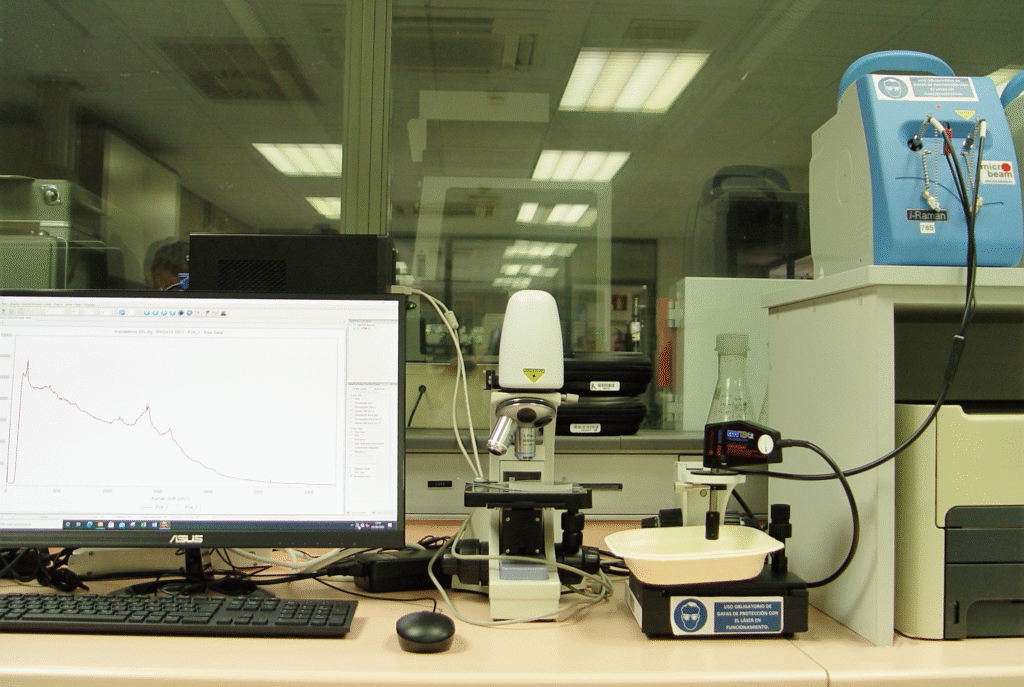
The findings underscore the effectiveness of spectroscopic sensors in detecting contaminants on food tray pads under various conditions, controlled scenarios, and in real-world conditions. In addition, the combination of machine vision and spectroscopy has enabled the creation of predictive models that link visual segmentation with chemical identification, improving the accuracy of pollutant detection. The successful application of the RAMAN marker in dynamic environments further solidifies its industrial relevance, marking a critical step forward in REDYSIGN’s mission to improve sustainable packaging solutions. As the project moves forward, the next steps will include adjusting the maximum movement speed at which the sample moves along the surface.