
REDYSIGN will go beyond the state of the art in 4 fields of development: efficient processes for transforming wood into Fibre-based Packaging (FBP), wood-derived products for fresh meat packaging, Smart Food Packaging and more efficient recycling and upcycling technologies for contaminated FBP.
01
The retrieval of wood constituents (such as cellulose fibres, lignin, sugars, etc.) using existing methods involves energy-demanding procedures and often relies on substantial quantities of harmful chemicals.
The thermomechanical method of producing pulp is probably the least polluting process, although it necessitates a significant energy input. Current research is being conducted to explore the potential of utilising specialised enzymes to decrease energy consumption in this context.
In addition, a novel mechanochemical technique has been devised to highly efficiently fractionate wood biomass into its valuable constituents, which can be utilised to produce innovative, environmentally friendly products.
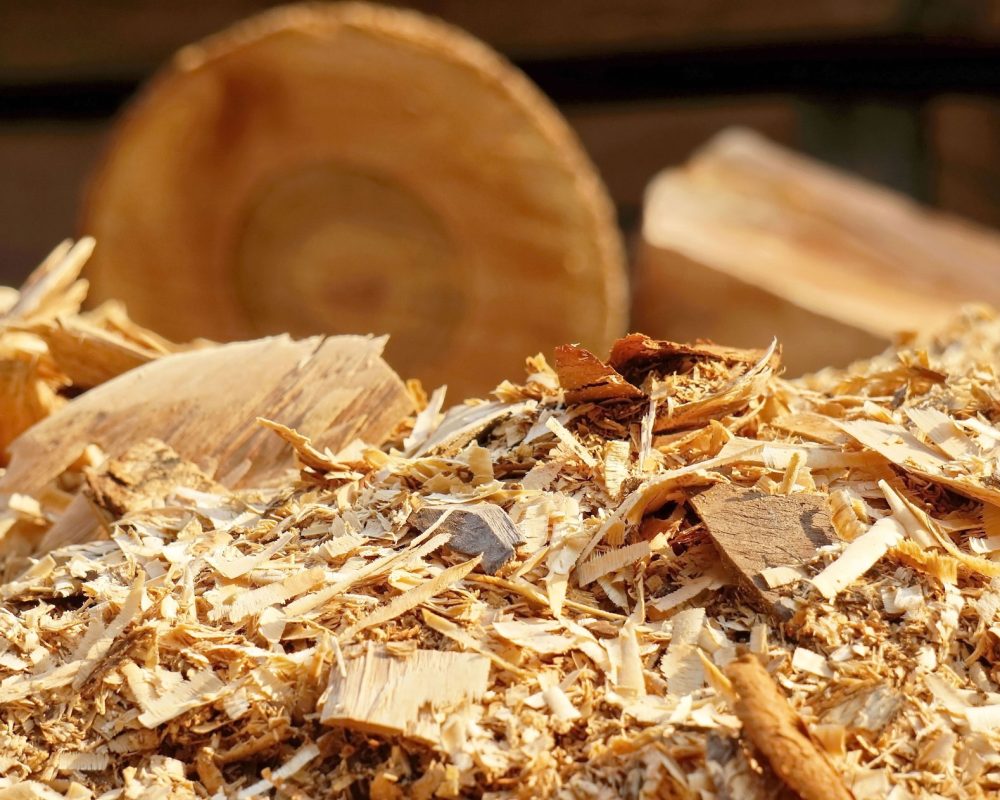
The project aims to achieve several notable technological advancements in the transformation of wood into fibre-based packaging (FBP). These advancements include:
02
Lignocellulosic moulded pulp has emerged as a highly interesting bio-based and biodegradable alternative to plastic-based products and is progressively replacing them in some food applications. The production of food trays, however, involves usage of large amounts of water, which also implies a high energy consumption in the drying process. Moreover, it usually contains some petrochemically-based additives which can potentially limit recyclability of the trays.
The low barrier properties and low water and oil resistance of lignocellulosic moulded pulp are insufficient to protect the food from ambient conditions. Typically, a polymeric film is laminated onto the tray to confer those needed barrier properties.
Absorbing pads are deposited inside the tray to retain the liquids leaked from fresh meat during storage and delivery. In most cases they are manufactured entirely out of a combination of polymers and those few based on cellulose fibres incorporate bonding agents and/or polymeric films, which make it difficult to recycle them.
Current solutions utilize multicomponent plastic films that are non-recyclable. Films made of cellulose nanofibres have been shown to display oxygen and grease barrier properties. Yet, they still lack resistance to liquid water and water vapor.
03
Lignocellulosic moulded pulp has emerged as a highly interesting bio-based and biodegradable alternative to plastic-based products and is progressively replacing them in some food applications. The production of food trays, however, involves usage of large amounts of water, which also implies a high energy consumption in the drying process. Moreover, it usually contains some petrochemically-based additives which can potentially limit recyclability of the trays.
Although some commercially available sensors for in-line determination of chemical compositions are being currently applied in certain industrial sectors, the complete integration of digitalisation for tracking recovered food packaging resources has not yet been achieved.
REDYSING designs a novel multi-spectral quality assessment system for in-line, real-time characterization of FBP wastes. It enables a comprehensive and continuous characterization of the materials and contributes to the generation of large amounts of data for an enhanced traceability approach.
Artificial Intelligence (AI) models have not been implemented yet in processes for food packaging recovery. Nevertheless, ‘multimodal deep learning’ is a new concept applicable for the enhancement of complex multichannel (multi-sensor) applications.
04
Food packaging materials are often contaminated with organic residues when they reach their end-of-life. This situation is especially problematic in FBP, as the presence of those substances hampers its recycling. This condition prevents the recycling of significant amounts of FBP which, otherwise, would get reintroduced in the pulp-paper-packaging value chain.
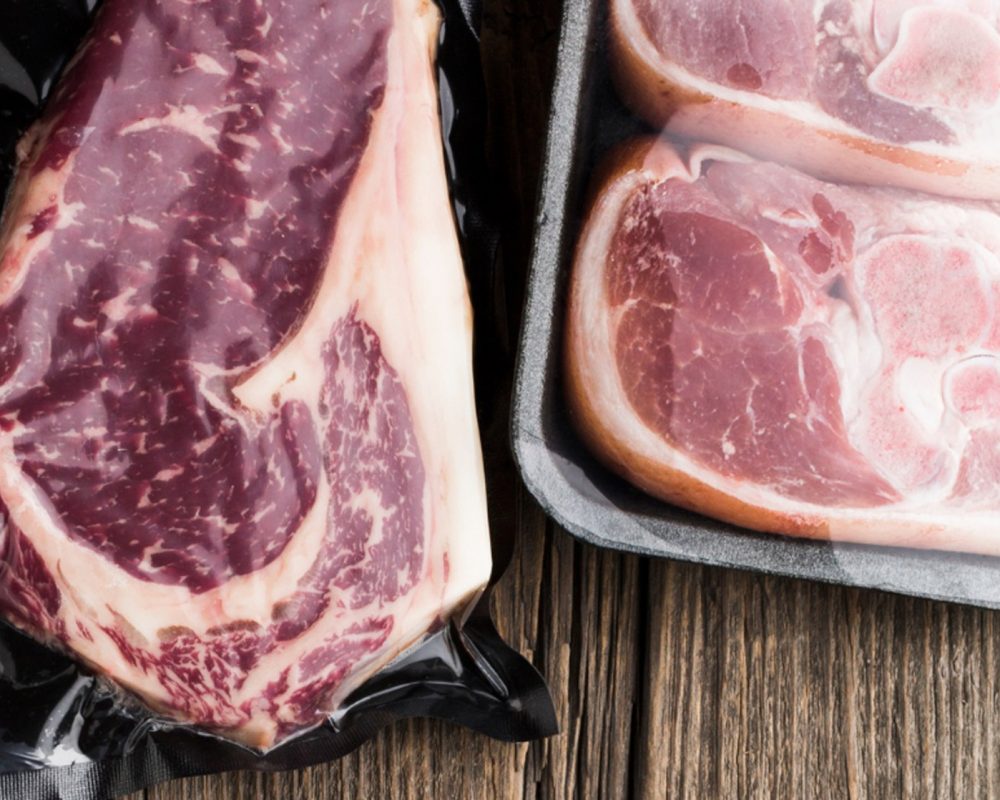
REDYSIGN produces new identification markers and integrate them in the package components, enabling efficient sorting of contaminated FBP. The project also implements novel processes for efficient recycling and upcycling of contaminated FBP through the development of new advanced oxidative and enzyme-assisted treatments to tailor the recycled fibres properties to the requirements of food FBP and to valorise the recalcitrant fractions.
01
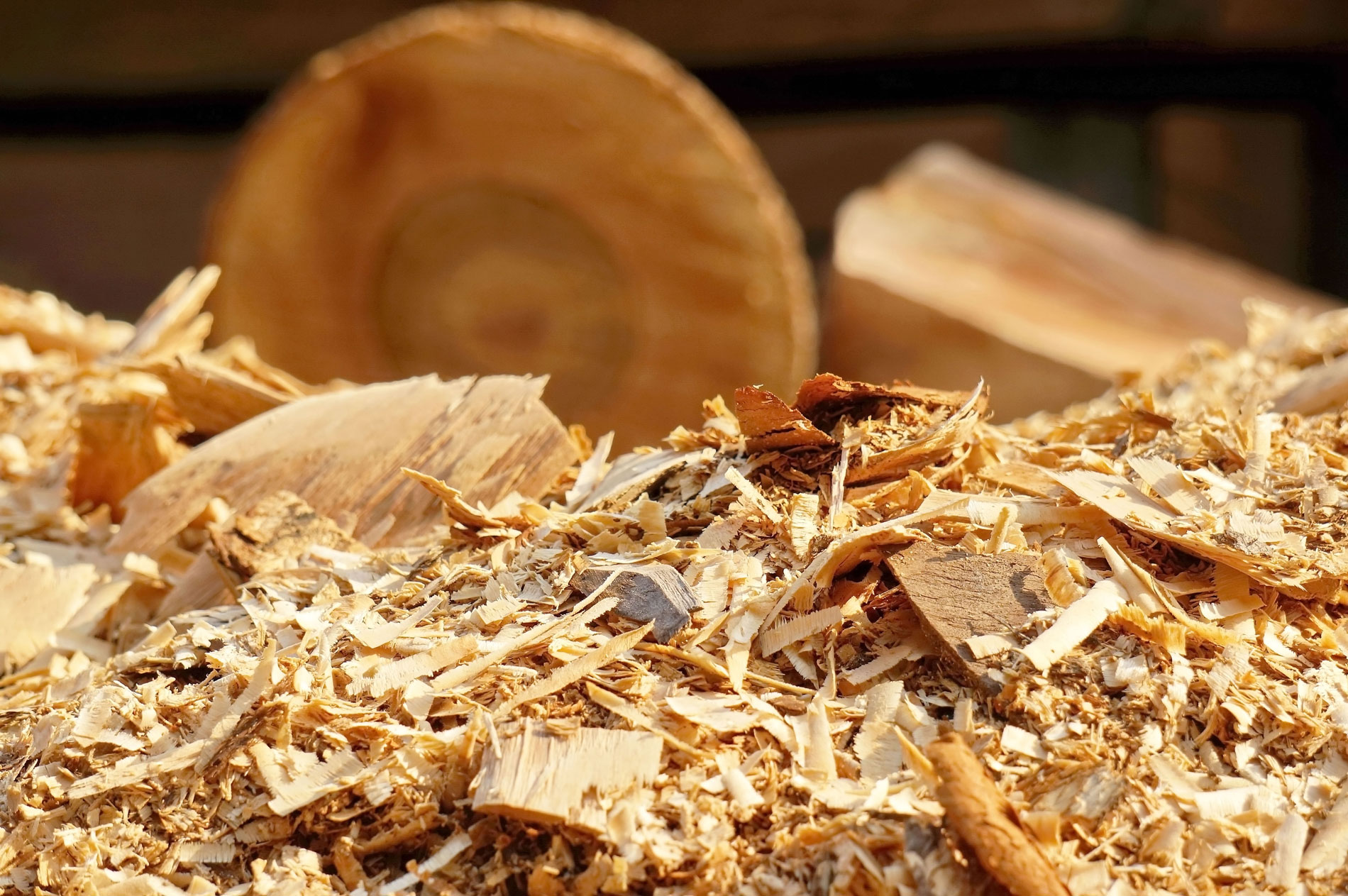
The isolation of wood constituents (such as cellulose fibres, lignin, sugars, etc.) using existing methods involves energy-demanding procedures and often relies on substantial quantities of harmful chemicals.
The thermomechanical method of producing pulp is probably the least polluting process, although it necessitates a significant energy input. Current research is being conducted to explore the potential of utilising specialised enzymes to decrease energy consumption in this context.
In addition, a novel mechanochemical technique has been devised to highly efficiently fractionate wood biomass into its valuable constituents, which can be utilised to produce innovative, environmentally friendly products.
02
Lignocellulosic moulded pulp has emerged as a highly interesting bio-based and biodegradable alternative to plastic-based products and is progressively replacing them in some food applications. The production of food trays, however, involves usage of large amounts of water, which also implies a high energy consumption in the drying process. Moreover, it usually contains some petrochemically-based additives which can potentially limit recyclability of the trays.
The low barrier properties and low water and oil resistance of lignocellulosic moulded pulp are insufficient to protect the food from ambient conditions. Typically, a polymeric film is laminated onto the tray to confer those needed barrier properties.
REDYSING creates new bio-based barrier coatings able to fulfil barrier requirements without compromising the recyclability of the tray.
Absorbing pads are deposited inside the tray to retain the liquids leaked from fresh meat during storage and delivery. In most cases they are manufactured entirely out of a combination of polymers and those few based on cellulose fibres incorporate bonding agents and/or polymeric films, which make it difficult to recycle them.
Current solutions utilize multicomponent plastic films that are non-recyclable. Films made of cellulose nanofibres have been shown to display oxygen and grease barrier properties. Yet, they still lack resistance to liquid water and water vapor.
03
Identification and sorting of packaging materials at the waste management plant is commonly undertaken by the employment of sensor-based near-infrared (NIR) technology. Near-infrared (NIR) technology utilises the inherent properties of materials to identify them, however it is unable to detecting any internal material layers.
Although some commercially available sensors for in-line determination of chemical compositions are being currently applied in certain industrial sectors, the complete integration of digitalisation for tracking recovered food packaging resources has not yet been achieved.
Artificial Intelligence (AI) models have not been implemented yet in processes for food packaging recovery. Nevertheless, ‘multimodal deep learning’ is a new concept applicable for the enhancement of complex multichannel (multi-sensor) applications.
REDYSING uses advanced AI techniques to analyse large data sets from the in-line quality system. The reliability connected to the comprehensive characterization of wastes provides more robust predictive algorithms for a superior quality assessment and traceability model.
04
Food packaging materials are often contaminated with organic residues when they reach their end-of-life. This situation is especially problematic in FBP, as the presence of those substances hampers its recycling. This condition prevents the recycling of significant amounts of FBP which, otherwise, would get reintroduced in the pulp-paper-packaging value chain.
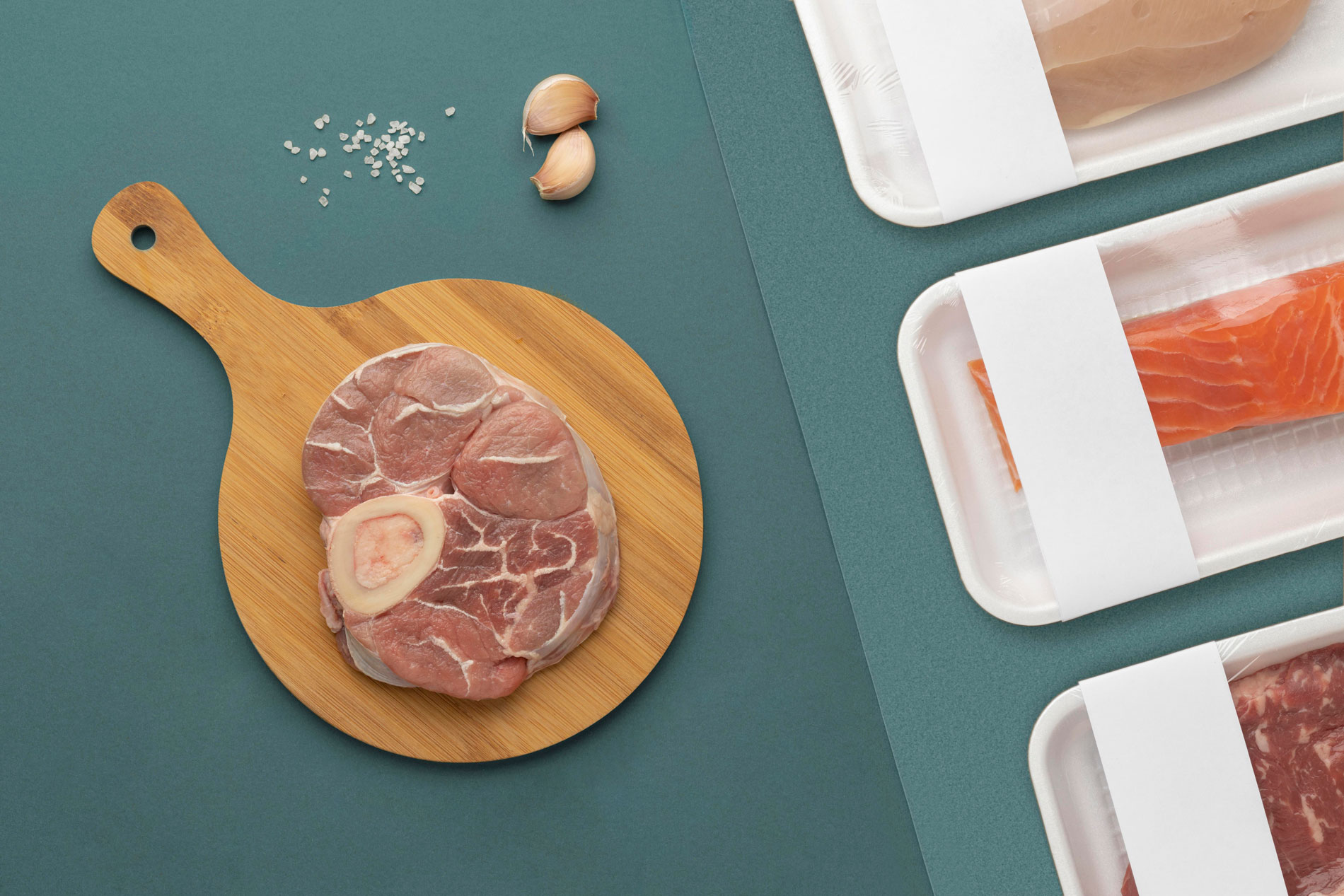
REDYSIGN produces new identification markers and integrate them in the package components, enabling efficient sorting of contaminated FBP. The project also implements novel processes for efficient recycling and upcycling of contaminated FBP through the development of new advanced oxidative and enzyme-assisted treatments to tailor the recycled fibres properties to the requirements of food FBP and to valorise the recalcitrant fractions.
The project is supported by the Circular Bio-based Europe Joint Undertaking and its members. Funded by the European Union. Views and opinions expressed are however those of the author(s) only and do not necessarily reflect those of the European Union or CBE JU. Neither the European Union nor the CBE JU can be held responsible for them.
The project is supported by the Circular Bio-based Europe Joint Undertaking and its members. Funded by the European Union. Views and opinions expressed are however those of the author(s) only and do not necessarily reflect those of the European Union or CBE JU. Neither the European Union nor the CBE JU can be held responsible for them.
