
SPAPER 2025: REDYSIGN at the forefront of innovation in resource-efficient packaging
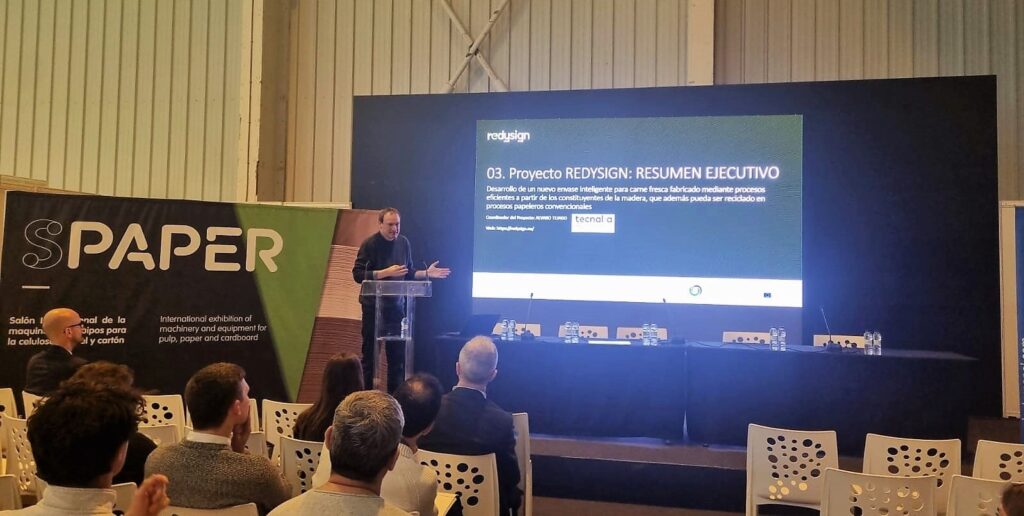
REDYSIGN attended this key event in the paper sector, participating alongside TECNALIA and using the platform to connect with key stakeholders in the industrial community. SPAPER made its return to Zaragoza, Spain, solidifying its position as one of the leading events in the pulp, paper, and cardboard industry. Held from March 4th to 6th, 2025, […]
Redesigning Packaging, Rethinking Impact: Integrating Safe and Sustainable by Design

The food industry faces the challenge of developing eco-friendly, cost-effective, and sustainable packaging. Petroleum-based materials used in traditional packaging cause environmental pollution, resource depletion, and generation of single-use waste. The industry is shifting towards biodegradable packaging made from renewable biomass resources and non-harmful chemicals to reduce environmental impact and health risks. The urgency in the […]
Cellulose fibres, microfibrillated cellulose (MFC) and fibre-based packaging

Cellulose is one of the main components in wood and non-wood materials, such as straws and cotton, and cellulose fibres extracted from these raw materials are commonly used in production of fibre-based packaging. Microfibrillated cellulose (MFC) consists of cellulose fibrils that have been separated from cellulose pulp (fibres), usually by mechanical treatments. The average width […]
REDYSIGN presents sustainable packaging innovations at SSbD24
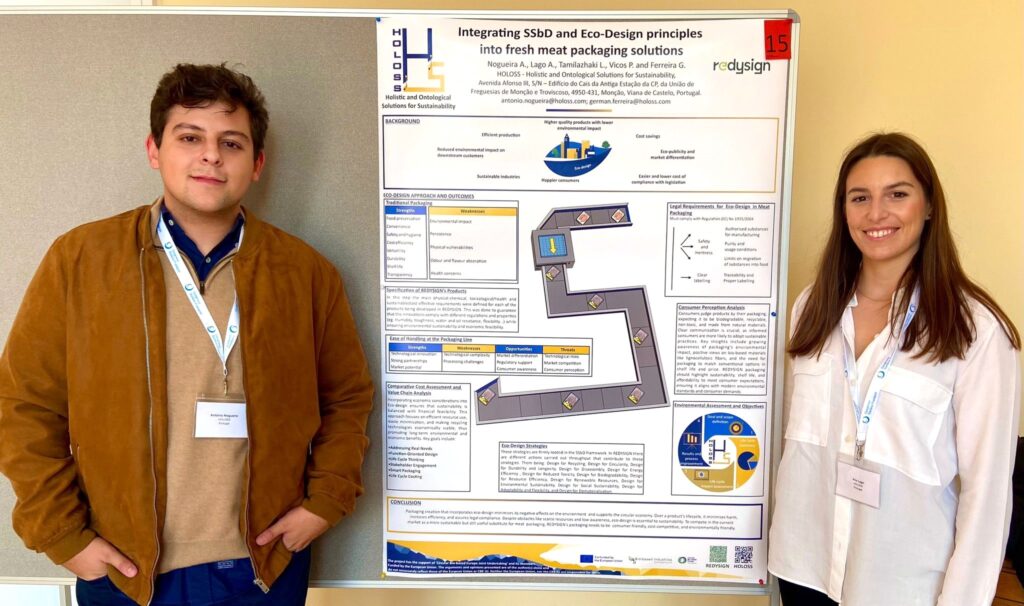
The participation of HOLOSS in the conference provided an opportunity for the project to consolidate knowledge on the application of the SSbD framework in case studies and network with key industry actors in the value chain. The city of Monte Verità (Switzerland) became the epicenter for innovation and collaboration for one full week (November 10-15), […]
REDYSIGN at CIADICYP 2024: Advancing Sustainability and Innovation in the Pulp and Paper Industry
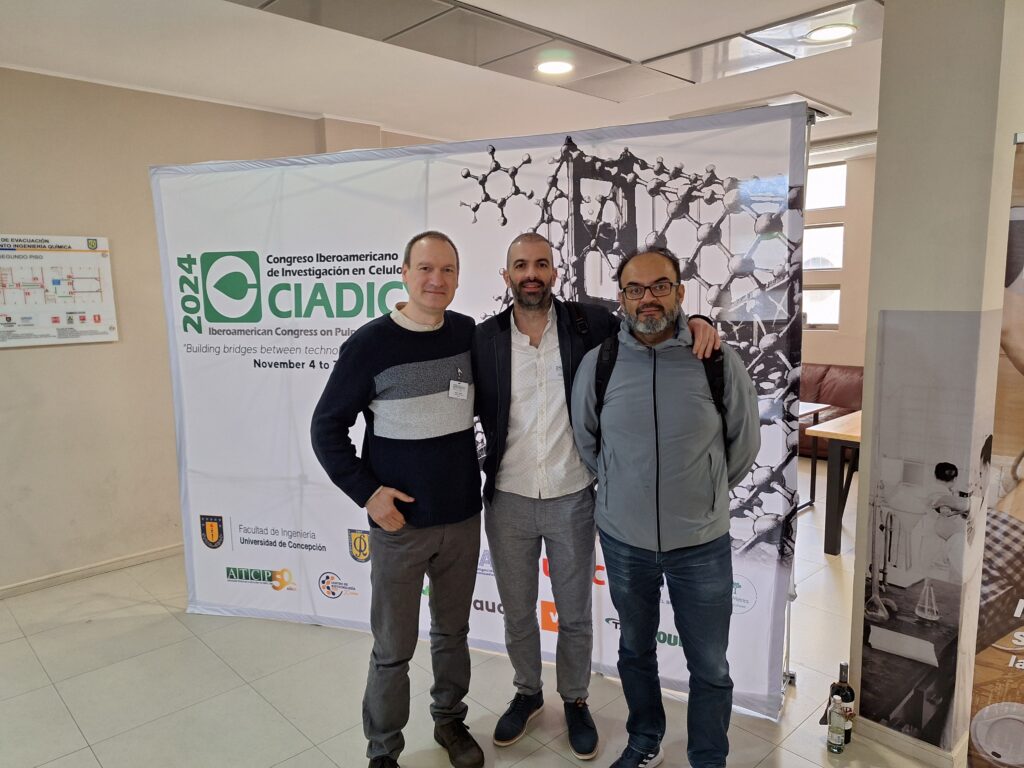
REDYSIGN was represented at the 13th Iberoamerican Congress of Pulp and Paper Research (CIADICYP), held in Concepción, Chile, from November 4 to 7. The event featured the participation of REDYSIGN partners RISE PFI and TECNALIA and offered a unique opportunity to present some of the project’s research and expand its influence within the scientific community. […]
REDYSIGN at the “Beyond the Horizon” Conference

The project has been selected to participate in the poster exhibition as a Horizon Europe-funded initiative On November 28, the REDYSIGN project will participate in the 12th Conference of the European Union Framework Program for Research and Innovation – Horizon Europe, titled “Beyond the Horizon”. This significant event, to be held at the Conference Centre […]
Cellulose functionalization: a little push to widen the potential of natural compounds

The development of the bioeconomy requires maximizing the use of available natural resources, among which cellulose (mostly in the form of cellulose fibers) stand out as the most abundant bio-based material on Earth. Those fibers, derived from plant cell walls, offer a sustainable alternative to non-sustainable synthetic materials, aligning perfectly with the principles of the […]
Advances in the creation of fibre-based packaging during the first year of the REDYSIGN Project
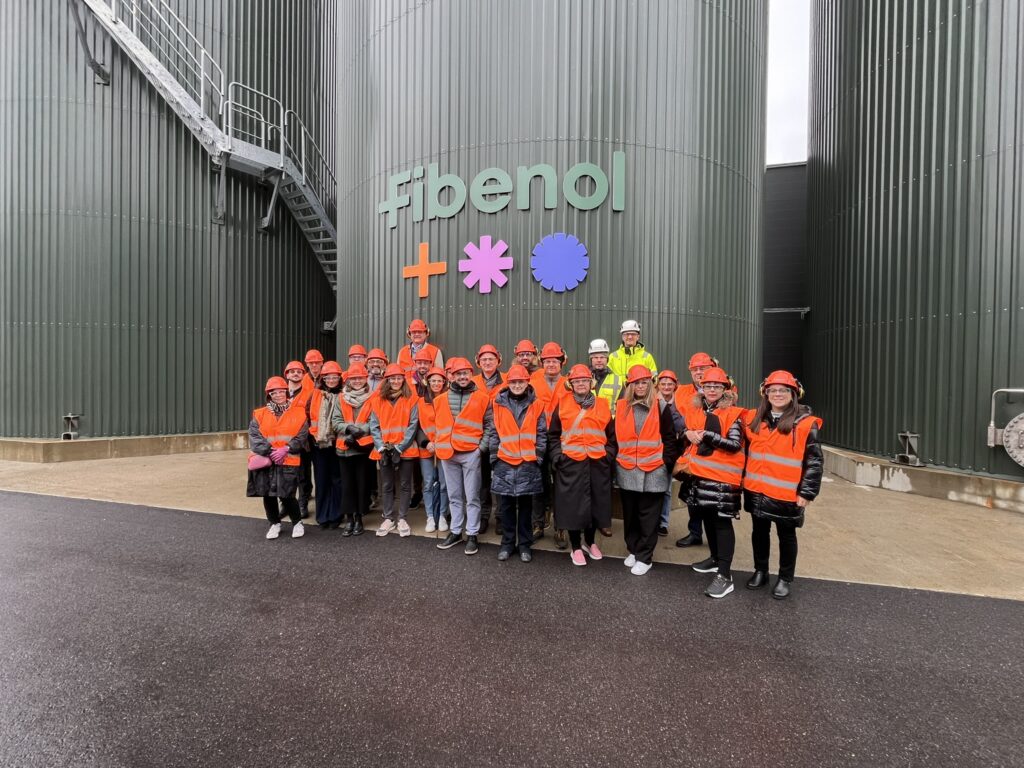
The project, funded by CBE JU and coordinated by Tecnalia, has completed its first year, achieving significant milestones The European project REDYSIGN celebrated its one-year anniversary in Tallinn, Estonia, marking a significant milestone in the mission to develop a circular bio-based alternative for fresh meat packaging using lignocellulosic materials. This research and innovation initiative brought […]
Fibenol: Maximizing the value of wood extraction

We need to rethink how we view and use woody biomass. By leveraging innovative technologies and advances in biotechnology, we’re transforming wood processing into the creation of high-value biomaterials. This approach adds greater value to woody biomass and offers a sustainable alternative to the current fossil-based industry model. To start with, why is the REDYSIGN […]
The potential of enzymes in the bioeconomy

As the global shift towards a sustainable bioeconomy gains momentum, the potential of enzymes in reducing the environmental impact of industrial processes becomes increasingly significant. Enzymes, nature’s own catalysts, are proving to be game-changers in the production of fibre-based packaging (FBP), a sector keen on minimizing its carbon footprint and enhancing eco-efficiency. Energy efficiency in […]