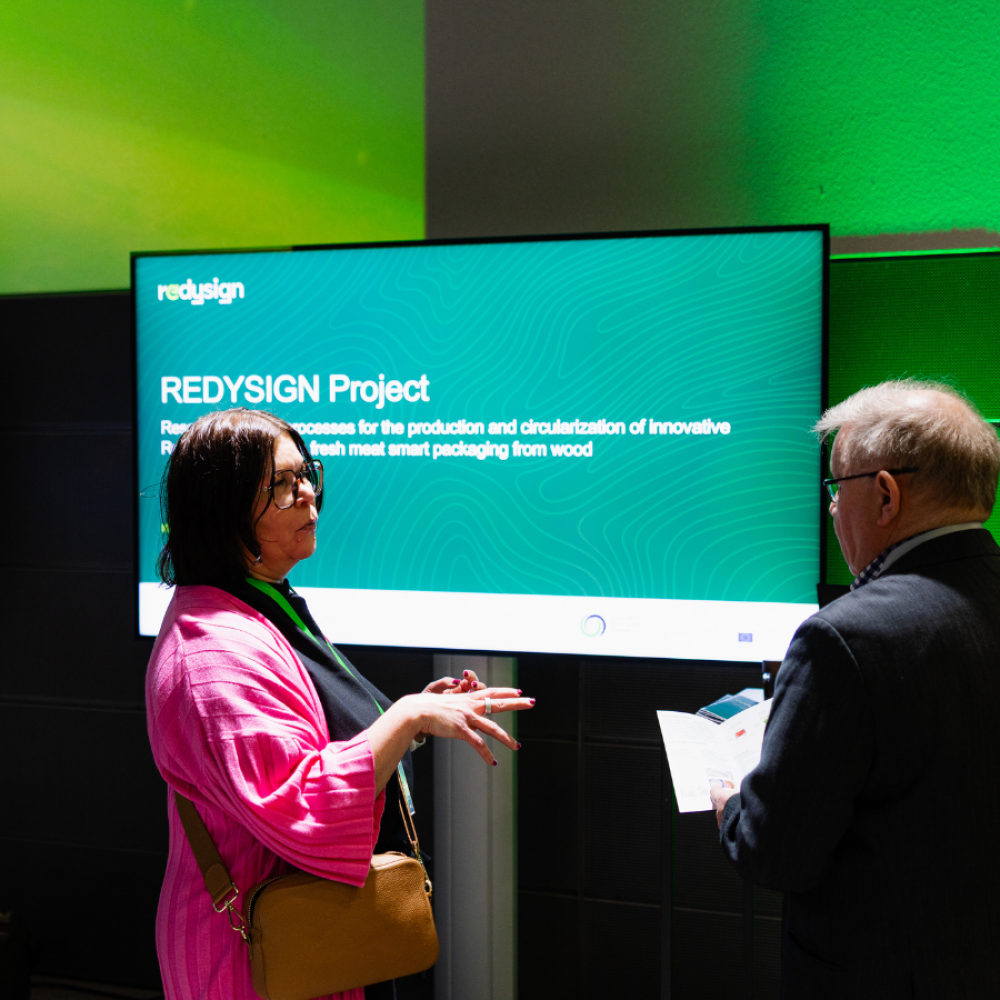
As one of the program streams, REDYSIGN contributed to an ecosystem-driven initiative bringing together industrial and research partners to accelerate the green transition.
In late January, REDYSIGN had a presence at the closing event of Valmet’s Beyond Circularity program, marking the conclusion of four years of ecosystem-driven collaboration focused on accelerating the green transition.
The project participated in the event as one of the program streams, within the framework of the Ecosystem projects. This ecosystem-based approach aims to foster long-term collaboration between industry and research actors, enabling the joint development of solutions that would be difficult to achieve through isolated efforts. By working within this framework, projects such as REDYSIGN benefit from shared expertise, cross-sector knowledge exchange and closer alignment with industrial needs.
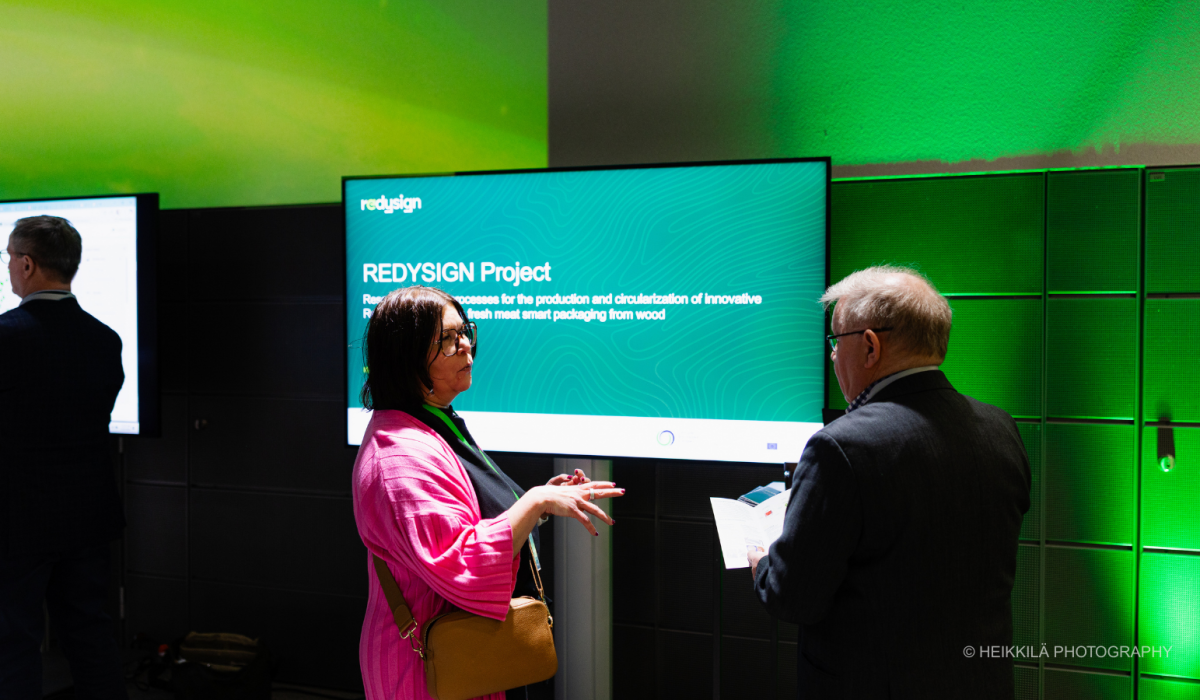
During the event, REDYSIGN was showcased through a dedicated stand, where Heli Kangas (Valmet) and Frédéric Naves (Fibenol) were present. The project’s work and objectives were communicated through flyers and on-screen displays, highlighting its contribution to circular, bio-based innovation.
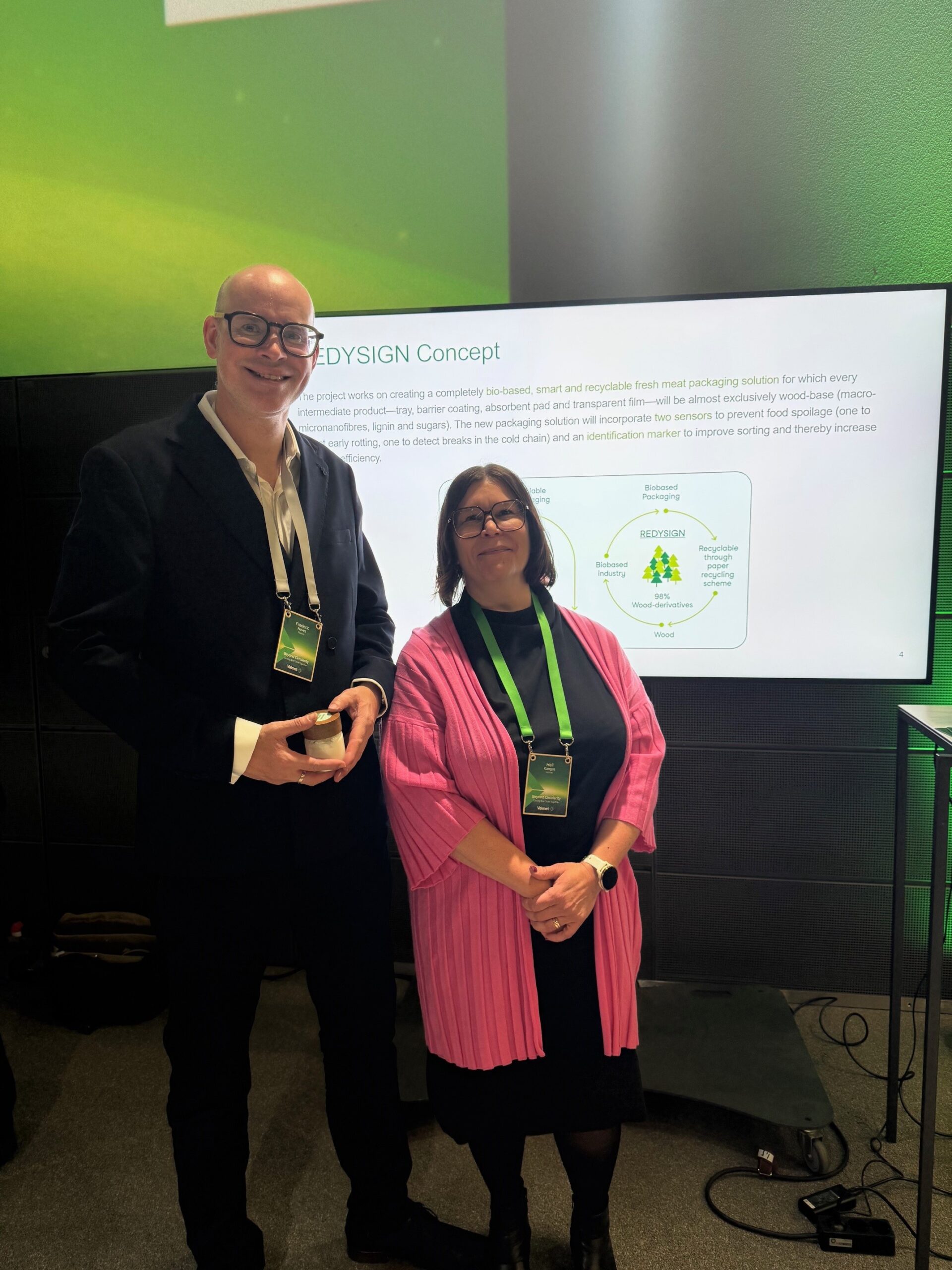
Four years of ecosystem-driven collaboration
Over the course of four years, Valmet’s Beyond Circularity program brought together more than 400 Valmet experts and over 370 ecosystem partners, working across 47 joint projects. This ecosystem-driven way of working has reshaped how innovation is developed, placing collaboration, shared knowledge and long-term impact at the centre of industrial transformation.
Although the Beyond Circularity program has formally concluded, the ecosystems established during this period will continue their work, ensuring that cooperation and joint innovation remain key drivers of the green transition.
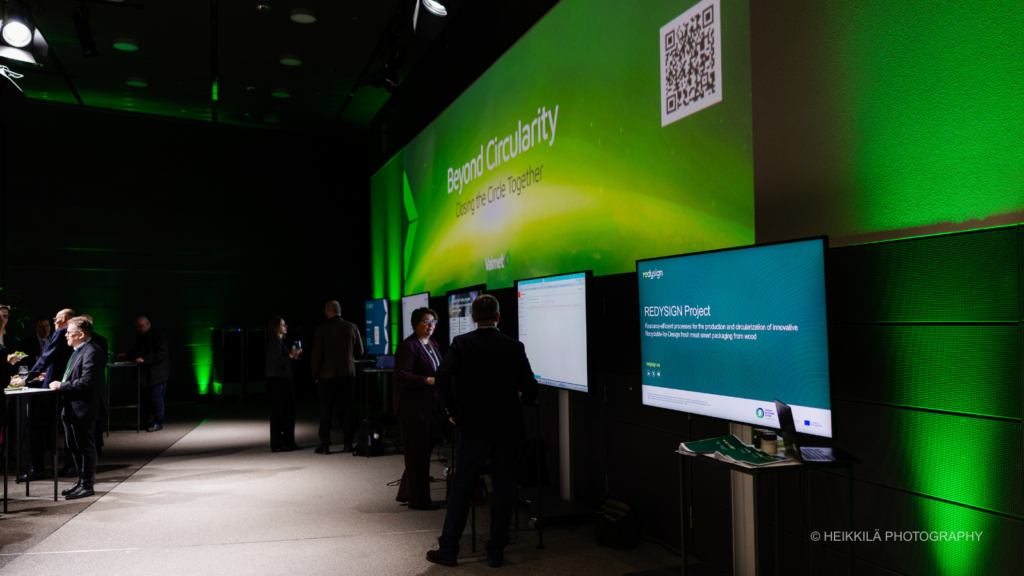
Alignment with REDYSIGN’s circular bio-based mission
REDYSIGN’s participation in the Beyond Circularity program reflects its strong alignment with the principles promoted by this initiative. Through close collaboration with industrial and research partners such as Valmet and Fibenol, the project contributes to advancing circular, bio-based packaging solutions that reduce reliance on fossil-based materials and support more sustainable value chains for fresh meat distribution.
Within this broader ecosystem-driven context, the Beyond Circularity program strengthens Europe’s innovation ecosystems by supporting knowledge exchange, alignment with industrial priorities and increased visibility across a wide network of circular economy actors. For REDYSIGN, participation in this environment helps reinforce its positioning within the European bio-based packaging landscape.
These connections are essential for advancing sustainable packaging solutions based on lignocellulose and for supporting the transition towards more circular and resource-efficient models in the food packaging sector.