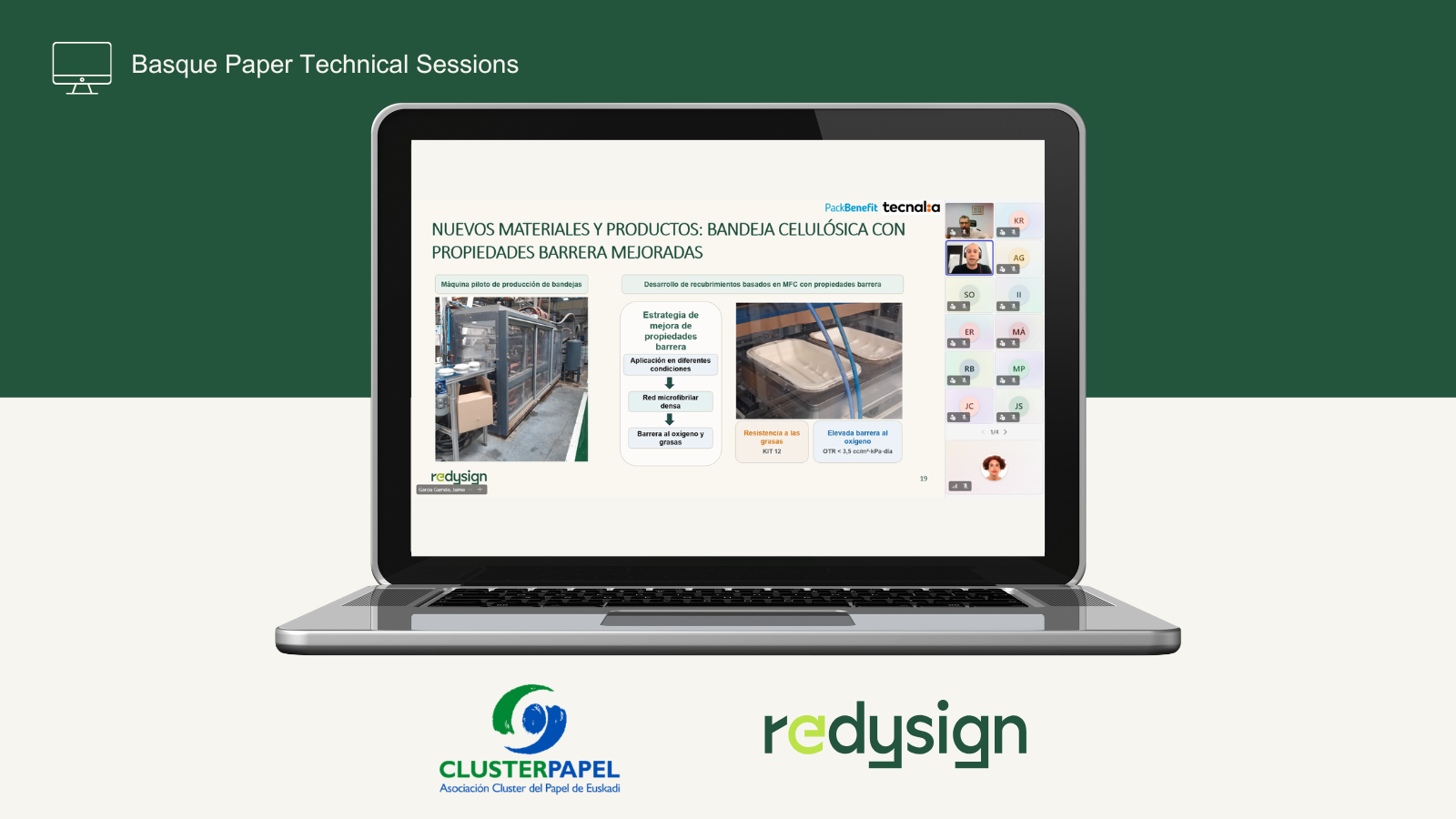


Cellulose is one of the main components in wood and non-wood materials, such as straws and cotton, and cellulose fibres extracted from these raw materials are commonly used in production of fibre-based packaging. Microfibrillated cellulose (MFC) consists of cellulose fibrils that have been separated from cellulose pulp (fibres), usually by mechanical treatments. The average width of cellulose fibrils in MFC is below 100 nm while the length is on micro-meter scale. Due to their high specific surface area and small size, MFC fibrils can improve bonding within fibre network and produce a wide range of benefits in packaging materials including increased tensile strength, improved barrier properties, smoother surfaces, and more.
Valmet: Pioneering refiner-based MFC production technology
As a leading global developer and supplier of process technologies, automation and services for the pulp, paper and energy industries, Valmet has vast experience and knowhow in cellulose fibre treatment processes. In addition, Valmet has pioneered a unique, refiner-based technology for MFC production. The production process combines advanced refiner and plate technology with an innovative control system designed to maximize production efficiency.
In the REDYSIGN project, Valmet is applying its state-of-the art conical refining technology to produce MFC from low-cost raw materials, such as lignin-containing pulps, as compared to e.g. bleached pulps. With the help of refiner fillings development, the company aims to reduce the energy needed to produce MFC suitable for fibre-based packaging. In addition, Valmet is exploring synergies with other processes, such as enzymatic or chemical pre-treatments, for reducing the energy consumption even further together with its REDYSIGN partners.
Besides savings in costs, the use of lignin-containing pulps offers other benefits as well: the fibrils extracted from them are usually more hydrophobic than those obtained from pulps with low lignin content. This will potentially increase the hydrophobicity and therefore water resistivity of the fibre-based packaging containing lignin-containing MFC.
Microfibrillated cellulose films: A solution for enhanced barrier properties in packaging
MFC can be added to the fibre-based packaging materials as internal application, mixed with the pulp stock prior to the forming stage. Another option is the surface application; MFC is applied to the wet end of the board machine and dried together with the fibre web. With internal application, it is possible to influence the strength properties of the resulting paper or board, while surface application has an effect on the barrier properties of the fibre-based materials and its surface smoothness. MFC has an inherent tendency to form dense and smooth films upon drying and therefore it is also possible to make translucent films from MFC and laminate them to the surface of the fibre-based packaging material. This approach is planned to improve the barrier properties of the packaging.
MFC films are known to have excellent oxygen and grease barrier properties, especially in the ambient conditions. However, as cellulose is a hydrophilic material, the water barrier properties of MFC films are generally poor and get even worse with increased humidity. The approach of REDYSIGN project to use lignin-containing raw materials for preparing MFC will help in this as these materials are more hydrophobic than the ones with higher cellulose content.
Article in collaboration with Heli Kangas and Olli Tuovinen, Development Managers at Valmet.