

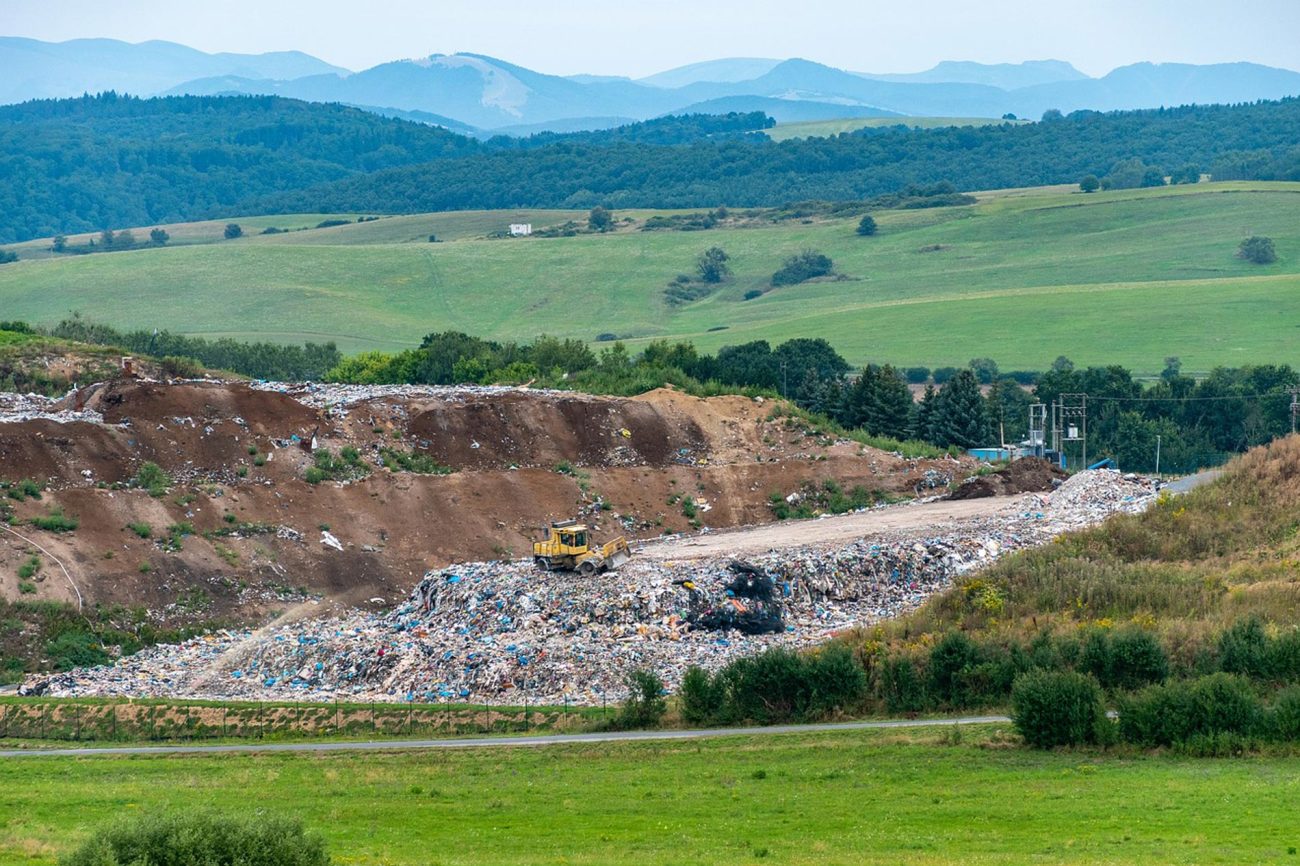
The production of huge amounts of plastic products dedicated to fresh-food packaging constitutes a relevant part of the pollution problem the world is facing. In addition to being based on fossil fuels as raw material and processed through highly polluting industrial processes, they accumulate as non-recyclable waste in landfills after a single use. This cycle conflicts the policies of the European Union aimed at mitigating climate change, including the EU Green Deal.
The number of so-called lignocellulosic fibre-based packaging (FBP) products and associated processes has increased significantly in recent years due to legislative actions promoting the green transition, technological advancements, and consumer awareness of the climate crisis.
In this context, REDYSIGN proposes a sustainable alternative to replace fossil-based packaging with wood-derived materials, along with smart solutions to increase recycling and upcycling. The project also offers solutions to reduce energy consumption in packaging production and mitigate CO2 emissions by improving existing processes and developing new technological approaches.
REDYSIGN is in alignment with a number of the United Nations Sustainable Development Goals’ major targets and significantly contributes to the EU’s objective of achieving climate neutrality by 2050.
The generation of large quantities of single-use plastics for fresh food packaging is associated with high emissions of CO2 and other pollutants. This is due to the energy-intensive nature of the industry, which heavily depends on fossil fuels. Moreover, it contributes to the accumulation of non-recyclable waste in landfills and, in general, conflicts the policies of the European Union aimed at mitigating climate change, including the EU Green Deal.
The number of so-called lignocellulosic fibre-based packaging (FBP) products and associated processes has increased significantly in recent years due to legislative actions promoting the green transition, technological advancements, and consumer awareness of the climate crisis.
In this context, REDYSIGN proposes a sustainable alternative to replace fossil-based packaging with wood-derived materials, along with smart solutions to increase recycling and upcycling. Furthermore, the project offers solutions to reduce energy consumption in packaging production and mitigate polluting gas emissions by advancing existing technologies and developing novel approaches for manufacturing FBP with reduced energy requirements.
REDYSIGN is in alignment with a number of the United Nations Sustainable Development Goals’ major targets and significantly contributes to the EU’s objective of achieving climate neutrality by 2050.

REDYSIGN aims to develop new sustainable bio-based materials to replace the complex, ubiquitous, non-circular plastic packaging products currently employed in the distribution of fresh meat. The development of these materials will be coupled with a number of innovations targeting resource efficiency on the processes involved in their production.
The project works on creating a completely bio-based, smart and recyclable fresh meat packaging solution for which every intermediate product—the tray, the barrier coating, the absorbent pad, and the transparent film—will be almost exclusively wood-base. The packaging solution will incorporate two sensors to prevent food spoilage and a identification marker to improve waste sorting prior to recycling.
To achieve this main goal, REDYSIGN works on 5 objectives:
Based on existing knowledge, innovative technologies will be developed through three different approaches:
REDYSIGN aims to develop new sustainable bio-based materials into viable alternatives to the complex, ubiquitous, non-circular plastic packaging products currently employed in the distribution of for fresh meat. The development of these materials will be accomplished by implementing twelve innovations that optimise resource efficiency.
The project works on creating a completely bio-based, smart and recyclable fresh meat packaging solution for which every intermediate product—the tray, the barrier coating, the absorbent pad, and the transparent film—will be almost exclusively wood-base. The packaging solution will incorporate two sensors to prevent food spoilage and identification markers to improve the recycling process.
To achieve this main goal, REDYSIGN works on 5 objectives:
Based on existing knowledge, innovative technologies will be developed through three different approaches:
Contributing to the EU’s 2050 long-term strategy for a climate-neutral Europe. Replacing plastic packaging with a novel bio-based and recyclable solution, will have a direct impact on waste and emissions reduction: an increase in the circularity rate, significant GHG emissions reduction, and energy and material consumption savings.
Paving the way for the marketability of highly demanded new sustainable packaging products in the fresh meat market and beyond. Bring new technological solutions that will allow companies, especially SMEs, in the biobased sector to increase their activities towards a circular transition and benefit from the new economic landscape.
Expanding the market share for fibre-based packaging and creating new green high qualified jobs in the forestry value chain and the biobased industries (up to 100.000 in Europe).
Contributing to the EU’s 2050 long-term strategy for a climate-neutral Europe. Replacing plastic packaging with a novel bio-based and recyclable solution, will have a direct impact on waste and emissions reduction: an increase in the circularity rate, significant GHG emissions reduction, and energy and material consumption savings.
Availability of research documentation to the scientific community of the most relevant findings related to the development of 12 innovative processes and 4 intermediate products (tray, barrier coating, absorbing pad, and flexible film) prototypes for further enhancements of concepts, scaling, and transferability.
The project is supported by the Circular Bio-based Europe Joint Undertaking and its members. Funded by the European Union. Views and opinions expressed are however those of the author(s) only and do not necessarily reflect those of the European Union or CBE JU. Neither the European Union nor the CBE JU can be held responsible for them.
The project is supported by the Circular Bio-based Europe Joint Undertaking and its members. Funded by the European Union. Views and opinions expressed are however those of the author(s) only and do not necessarily reflect those of the European Union or CBE JU. Neither the European Union nor the CBE JU can be held responsible for them.
